
Terrace Waterproofing
Solutions for exposed terraces, vulnerable joints and roof surfaces.
View service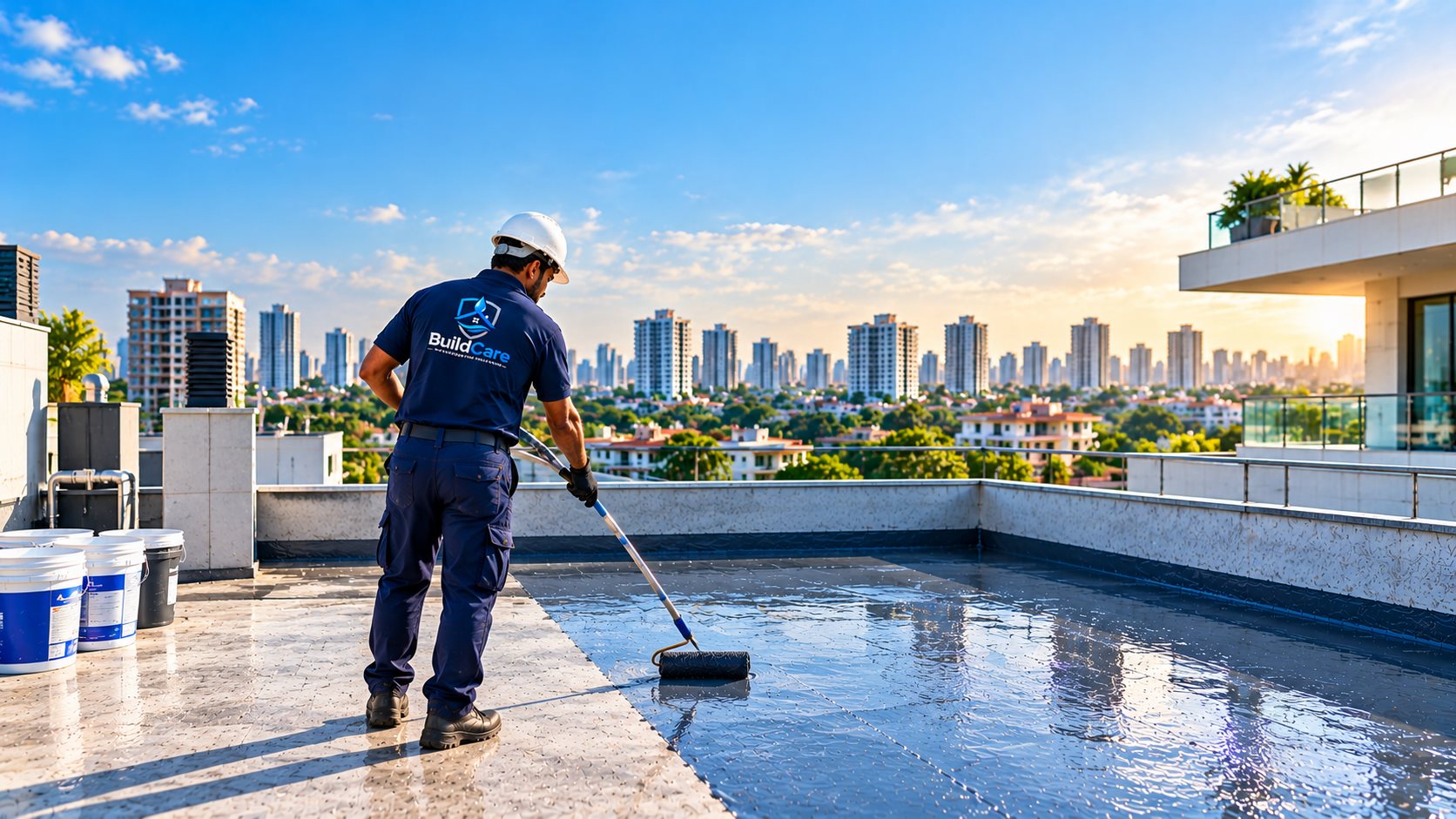
Expert Waterproofing Solutions for Homes, Apartments and Commercial Buildings.
Protect your property from water leakage, seepage, and moisture damage with suitable waterproofing solutions for terraces, roofs, bathrooms, walls, basements, and other vulnerable surfaces.
Explore waterproofing services for different building surfaces and moisture-related problems. Service availability should be confirmed before publication.
Solutions for exposed terraces, vulnerable joints and roof surfaces.
View serviceSolutions for roof leakage, cracks and damaged waterproofing layers.
View serviceTreatment for rainwater penetration through vulnerable external surfaces.
View serviceSolutions for below-ground walls, joints and moisture entry points.
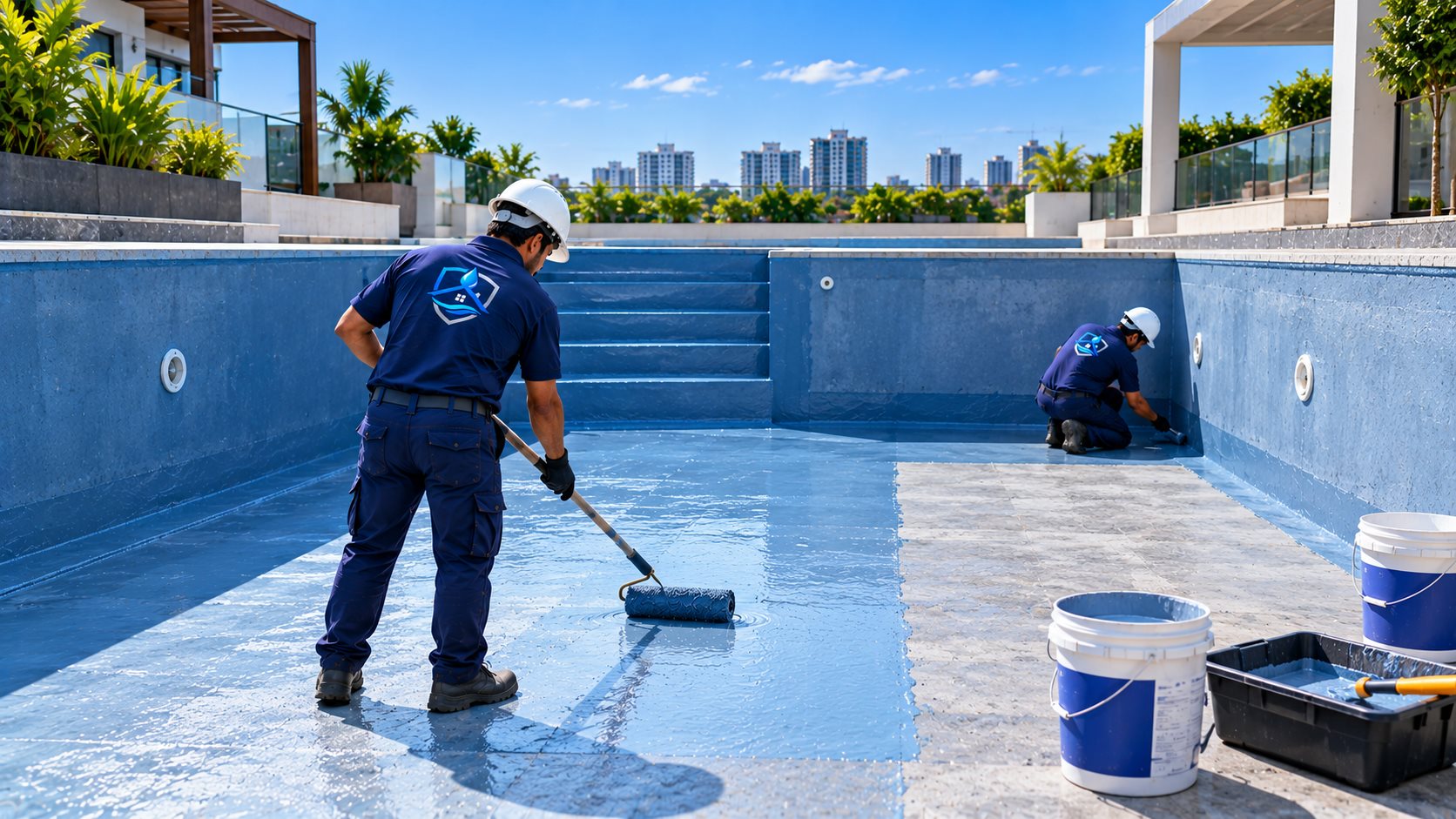
View serviceSuitable waterproofing systems for pool surfaces and joints.
View serviceFloor coating solutions for suitable residential, commercial and industrial applications.
View serviceOur approach focuses on identifying the source of leakage, selecting suitable materials, preparing the surface correctly, and applying the recommended system according to site requirements.
Assess the affected area and investigate possible sources of water entry.
Match the waterproofing system to the surface and exposure conditions.
Follow the selected system's specifications and preparation requirements.
Explain the proposed treatment, exclusions, timelines and applicable warranty terms.
Explore examples of waterproofing applications across different building surfaces and property types. The cards below are design placeholders — replace them with genuine Buildcare project photographs before publication.
Exposed terrace treatment covering surface preparation, joint detailing and membrane application.
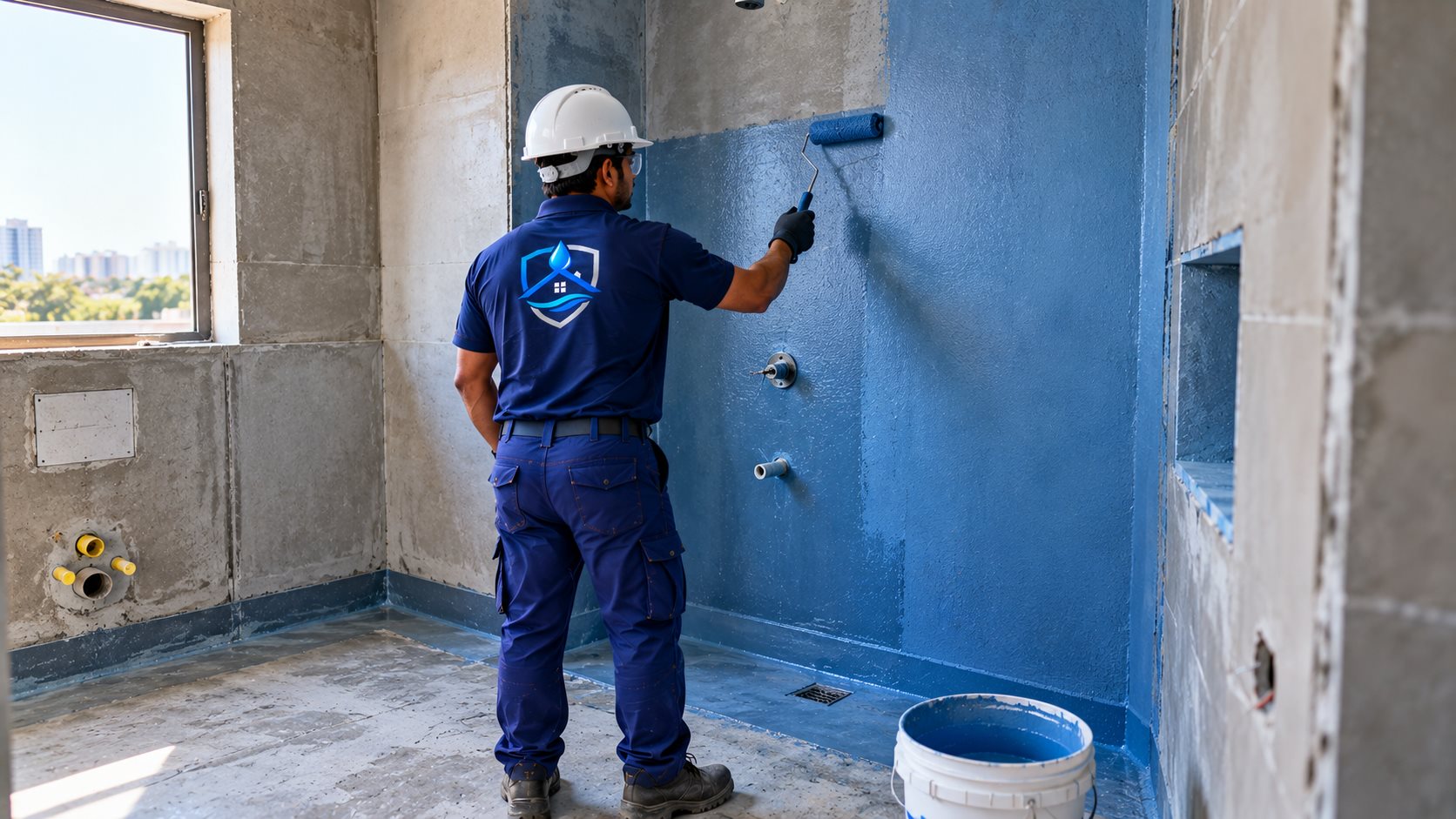
Wet-zone treatment applied to floors, wall junctions and corners before finishing layers.
Below-ground walls, construction joints and entry points addressed as one continuous system.
Tank surfaces and movement joints treated for a wet structure holding water at all times.
Moisture symptoms often look similar but have different causes. Each of these problems needs an assessment before a repair method is chosen.
Cracks, damaged waterproofing layers, weak joints or drainage problems may allow water penetration.
View SolutionDampness may result from rainwater penetration, plumbing leaks, rising moisture or condensation.
View SolutionWater may pass through joints, damaged seals, plumbing defects or a failed waterproofing layer.
View SolutionWater entry below ground may require investigation of joints, drainage, walls and groundwater conditions.
View SolutionThe correct system depends on the substrate, water exposure, leakage source, surface preparation, product specifications and site conditions.
Fluid-applied systems that form a continuous, seamless layer over the prepared substrate when applied and cured as specified.
Seamless · FlexibleCement-based coatings for suitable substrates and wet areas, including beneath protective screeds, tiles and finishes.
Wet areas · Under finishesPre-formed membranes fixed or bonded to the substrate where the detail, exposure and substrate suit this approach.
Factory-made · Controlled thicknessTargeted repair of suitable cracks and joints, including injection of sealants where the crack type and movement allow it.
Targeted · Crack-specificProtective layers over the waterproofing system to resist abrasion, UV exposure and daily use on accessible terraces.
UV & abrasion resistanceThe right choice depends on your surface, exposure and the actual source of the moisture.
Learn About Waterproofing MethodsEach property type has its own set of surfaces, loads and exposure conditions. We confirm Buildcare's actual service capability for your building type before quoting.
Houses, villas, bathrooms, terraces and balconies where leaks affect daily comfort and ceiling finishes.
Offices, retail buildings and hotels where uninterrupted operation and tenant areas matter.
Eligible factories and warehouses with demanding surface, load and chemical exposure conditions.
These are proposed article titles. Publish the finished articles here before linking them from the site.
A practical look at cracked slabs, failed membranes, drainage faults and the joints that leak first.
Read MoreShared terraces, common wet areas and who is responsible when water moves between units.
Read MoreHow membranes, cementitious systems, sealants and detailing are matched to each surface.
Read MoreWaterproofing services involve inspecting a building's vulnerable surfaces, identifying possible sources of water entry, preparing the surface, and applying a suitable waterproofing system to reduce water penetration. The scope depends on the surface, the cause of the moisture and the system selected.
The suitable service depends on where the moisture appears and why it is there. Water entering from a terrace, a bathroom floor, an exterior wall, a below-ground wall or a plumbing line each require a different approach. A site inspection helps confirm which applies.
Common causes include cracks in the concrete slab, ageing or damaged waterproofing layers, poor drainage and standing water, weak parapet-wall junctions, unsealed pipe penetrations, and leaks from overhead tanks or supply pipes.
Repair usually starts with inspection, followed by repairing cracks and weak joints, correcting drainage where needed, and applying a waterproofing system appropriate to the surface and its exposure. Where damage is extensive, removal of the failed layer may be necessary before recoating.
Damp walls can result from rainwater penetration, plumbing leaks, rising moisture, condensation, or leaks from an overhead tank or terrace above. Because the causes differ, an inspection is needed before a treatment can be recommended.
Exterior wall treatments can reduce rainwater penetration into vulnerable external surfaces where the seepage originates from that surface. If the moisture is entering from another source, such as a failing roof or a plumbing line, a wall coating alone will not resolve it.
The affected area is inspected, the substrate is prepared, and a suitable waterproofing system is applied to the wet areas — often the floor, joints and wall junctions — before any finishing layers or tiles are laid. The specific sequence follows the selected product's requirements.
In some cases it may be possible where tiles are stable and the chosen system is compatible with them. Loose tiles, failed grout, damaged membranes or significant cracks usually require removal and repair of the underlying surface first.
Both create a barrier against water penetration, but the conditions differ. A terrace is an exposed, walkable roof with parapet walls, drains and pipe penetrations, and is usually finished with a protective layer or tiles. A pitched or sloping roof has different drainage behaviour, detailing and material requirements, so the system used is chosen accordingly.
The cost varies with the area, the selected system, the condition of the surface, the extent of crack and joint repairs, and whether old tiles, screed or coatings must be removed. A reliable figure can only be given after the scope is assessed on site.
The duration depends on the area, the preparation required and the system selected. Curing times vary between products, so a terrace may need to be kept clear of use for a period after application. Timelines are confirmed once the scope is known.
There is no single lifespan for every system. Durability depends on the product, application quality, weather exposure, building movement, drainage and maintenance. Periodic inspection and prompt attention to early signs of leakage help extend the life of the treatment.
It can, where the leak is caused by water entering through the terrace or another treated surface. If the source is a plumbing line, an overflowing tank or a drainage defect, that needs to be addressed separately — otherwise the damp patch will return.
It covers the treatment of below-ground walls, floor slabs, construction joints and other entry points where water can reach a basement or lower level from the surrounding soil. The approach may involve external or internal systems depending on the structure and site conditions.
No. Injection grouting is generally considered for cracks that are actively leaking or that need to be sealed from within. It is not appropriate for every crack, and a crack showing movement or displacement needs assessment before any treatment is chosen.
It is generally considered good practice to waterproof exposed surfaces such as terraces, wet areas and basements during construction, while the substrate is accessible and finishes are not yet in place. Requirements depend on the building, its use and applicable codes.
Waterproofing for commercial buildings such as offices, retail premises and hotels, and for eligible industrial facilities, is part of the proposed service range. The specific system, access requirements and scheduling are discussed after an inspection, and availability should be confirmed.
Buildcare's primary focus is Hyderabad and Telangana, with Andhra Pradesh as an additional target market. Availability depends on location and project schedules, so please contact the team to confirm serviceability for your property.
Buildcare's primary geographic target is Hyderabad and Telangana, with Andhra Pradesh as an additional target market subject to confirmed service availability.
This list is illustrative. It does not imply confirmed coverage in every locality — please contact us to confirm availability for your address.
Tell us about your property and the affected area so the team can review your requirements.
Buildcare provides waterproofing and epoxy flooring solutions for residential, commercial and industrial applications. Share the details of your property and the affected area, and the team will review what treatment is appropriate.